FIRE ALARM SYSTEM
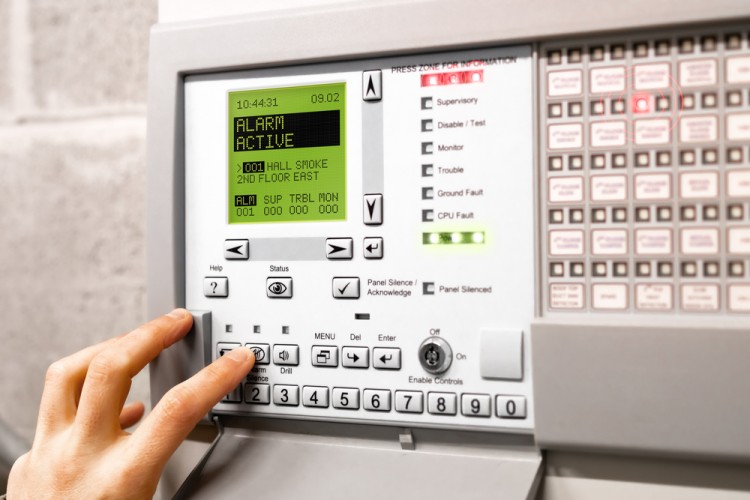
Fire Alarm Control Panel (FACP): Often referred to as the “brain” or central hub of the system, the FACP monitors inputs from all detection devices, processes the information, and activates the appropriate outputs, such as alarms and notification of emergency services. It typically runs on a primary power source with a battery backup in case of power failure.
Initiating Devices: These are the components that initially detect a fire or are manually activated.
Manual Pull Stations/Call Points: Allow occupants to manually trigger the alarm by pulling a lever or breaking glass when they spot a fire.
Automatic Detection Devices: These sensors automatically respond to physical changes associated with fire:
Smoke Detectors: Use ionization or photoelectric sensors to detect smoke particles.
Heat Detectors: Trigger an alarm when the ambient temperature reaches a fixed point or rises rapidly.
Flame Detectors: Specialized sensors that detect the infrared (IR) or ultraviolet (UV) radiation emitted by flames, often used in high-risk industrial areas.
Notification Appliances: These devices use a combination of audio and visual means to warn occupants to evacuate or take action.
Audible: Horns, sirens, chimes, bells, or speakers that emit loud, distinct sounds or voice messages to alert occupants.